
The first batteries are now in operation in Greece
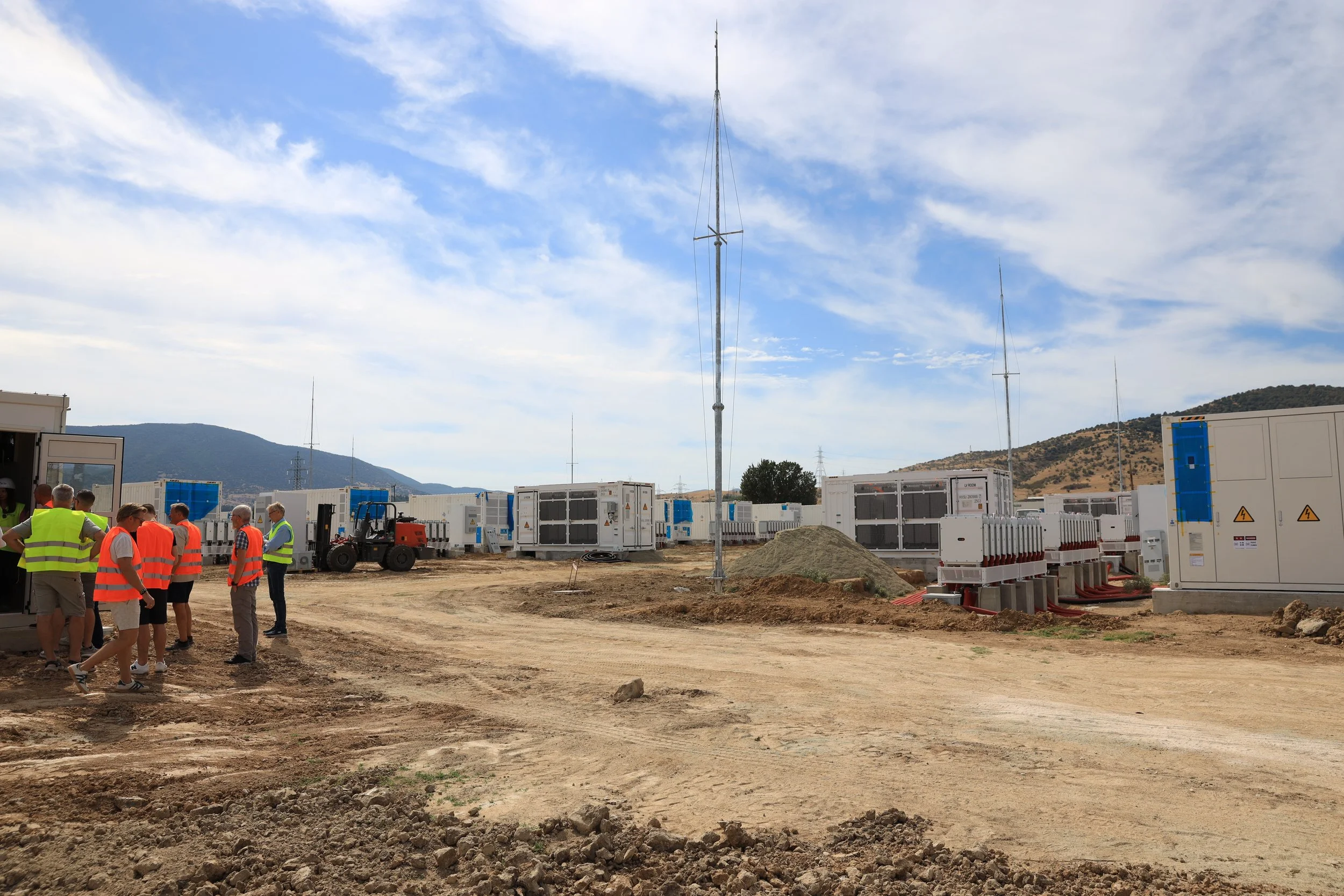
In recent years, Europe has undertaken a historic expansion of renewable energy. At the same time, a new challenge has become increasingly apparent: How do we ensure that green electricity is utilized when production exceeds demand?
As the share of solar and wind energy grows, we are seeing more hours with very low or negative electricity prices, increasing curtailment, and a significantly greater need for flexibility in the power system. Battery storage has therefore evolved from being an interesting technology to becoming an increasingly important part of the energy infrastructure of the future.
This trend is particularly evident in Greece, where the first large-scale battery facilities have now entered commercial operation. This provides the first concrete operational data from a market that has been among Europe’s most interesting in recent years—both due to the rapid expansion of renewable energy and the growing need for flexibility.
To summarize the key trends, we have prepared a new white paper in which we discuss, among other things:
why Europe's energy system has entered a new phase.
How increasing curtailment and more hours of low electricity prices are changing the need for flexibility.
why Greece has become one of Europe's most interesting battery markets.
what the initial operational data from Greek battery plants show.
how batteries create value across multiple electricity markets.
and what trends we expect will shape the sector in the coming years.
We hope that this analysis will provide a nuanced insight into a market that continues to evolve rapidly and that, in our view, will play a significant role in the ongoing energy transition.